Islands that block your view
Concealment came to the sea a while back — ships hidden beyond their spotting range, smoke screens, star shells. But the islands were just scenery you could run aground on. Now they're cover: terrain breaks the line of sight, so a hull tucked behind an island is invisible to anyone on the far side.
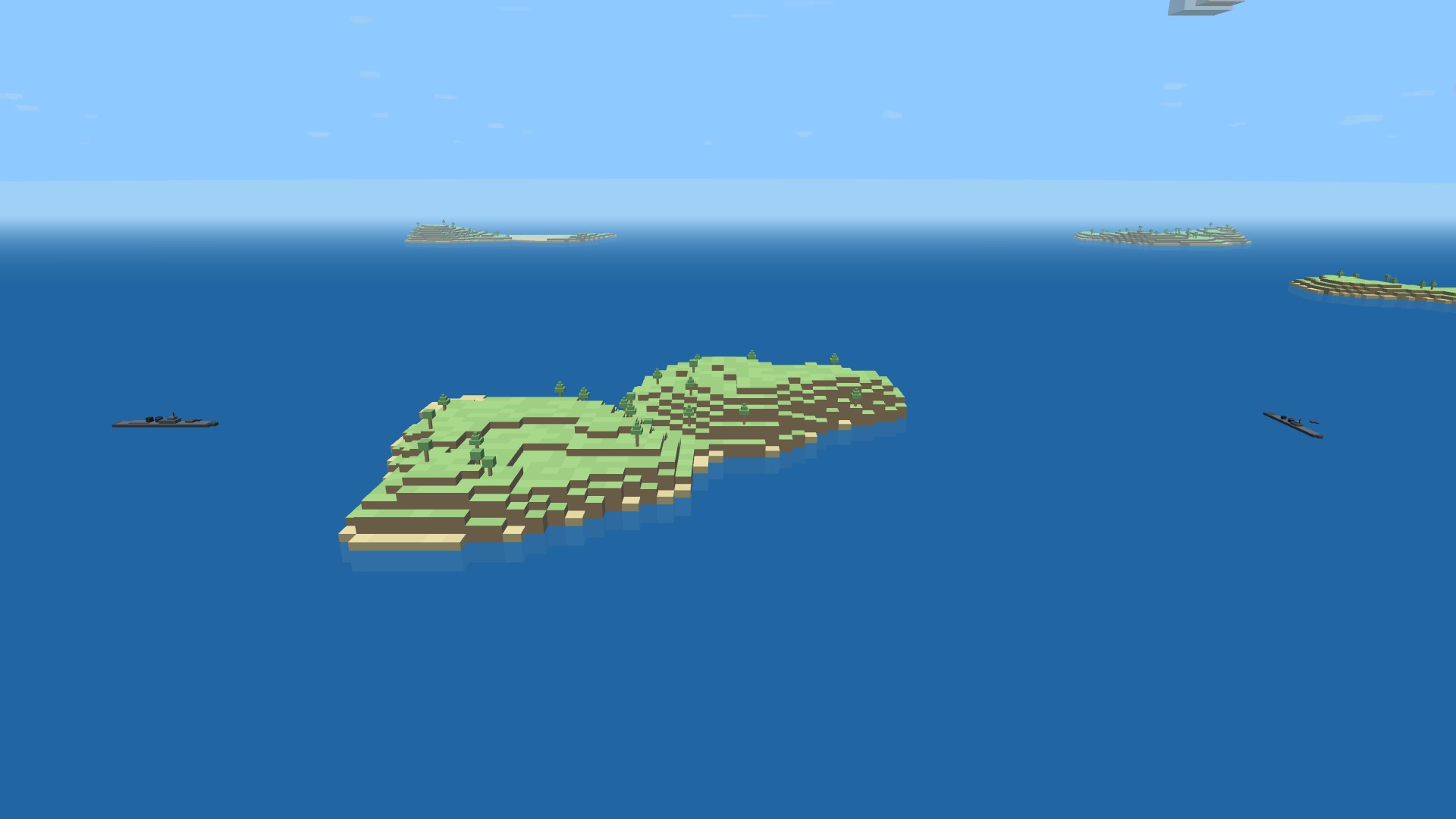
Line of sight, not just range
Spotting used to be pure distance: an enemy close enough saw you, full stop. Now they also have to have a clear line of sight. Draw the straight line from their lookout to your hull — if an island's high ground rises across it, they can't see you, and you stay off their screen. Both ships watch from about masthead height, so a low sandbar hides no one, but a proper island hill will tuck a whole cruiser away.
Aircraft are the exception. A spotter plane looks down from altitude, so its view clears most terrain — only a tall peak right next to a hull will mask it from the air. Keep your head down at sea, but remember the sky can still see over the rock you're hiding behind.
What it does to the fight
This is the piece that makes the islands matter. A destroyer can now run the island chain to close the distance unseen, pop out to loose torpedoes, and duck back behind the rock before the cruiser's guns can answer. A damaged ship can break contact by putting an island between itself and the shooter. Hold-the-island-and-peek becomes a real tactic. Smoke is still your portable cover; the islands are the cover the map gives you for free.
Cover is yours to use
Terrain cover is the human captain's edge. Read the island chain, pick the rock that breaks the sightline, and choose when to be seen. The Brick Sea just got a lot more places to disappear — and a lot more reasons to check your flanks before you think you're alone.